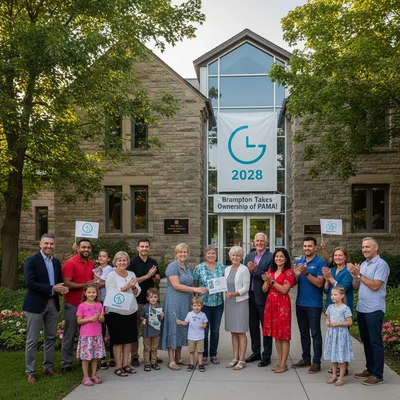
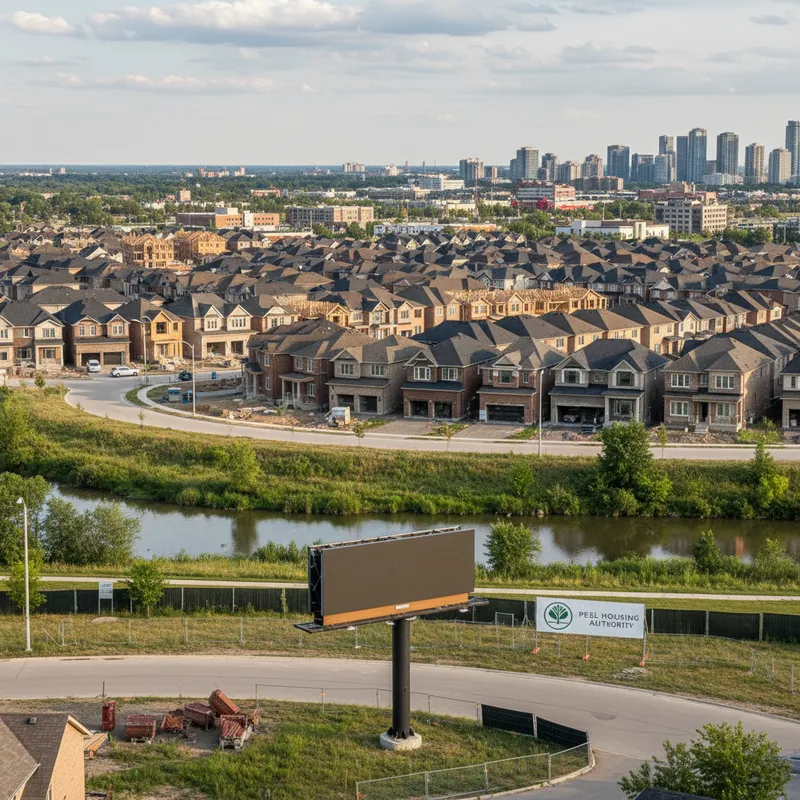
Fewer homes could get built in Brampton and Mississauga if Ontario merges conservation authorities, Credit Valley Conservation says.
The agency warns the province’s consolidation plan would slow permits and add bureaucracy in one of Ontario’s fastest-growing corridors.
What ontario is proposing for conservation authorities
Ontario plans to consolidate the province’s 36 conservation authorities into nine bodies by 2027, according to Credit Valley Conservation (CVC). The new regional authorities would operate under a newly created Ontario Provincial Conservation Agency and be operational within two years.
Conservation authorities oversee watershed-based environmental work and regulate certain development in hazardous areas. In Peel and Halton, that can include permits for projects in floodplains, shorelines and wetlands.
CVC was established by the Ontario government in 1954 to protect, restore and enhance the natural environment of the Credit River Watershed. Its jurisdiction includes Mississauga and Brampton, along with parts of surrounding communities.
Why CVC says brampton and mississauga approvals could slow
CVC’s board of directors said a larger regional body would create “unnecessary disruption in one of Ontario’s fastest-growing regions, resulting in less shovels in the ground and less houses being built.”
Michael Palleschi, CVC board chair and Brampton city councillor, said the agency already meets the province’s stated goals. “Credit Valley Conservation is already delivering exactly what the province says it wants, efficient approvals, strong municipal coordination and the protection of public safety,” Palleschi said.
CVC officials say they currently process development permit applications in an average of 14 days. The board said that performance “far exceeding the province’s 90-day service standard.”
Credit Valley Conservation is already delivering exactly what the province says it wants, efficient approvals, strong municipal coordination and the protection of public safety.
Palleschi said the transition itself is the risk for housing timelines. “In the context of Ontario’s housing crisis, the last thing we should do is disrupt a system that is already helping get homes built,” he said.
“Transitioning to a new regional bureaucracy would almost certainly slow approvals while staff, systems and governance structures are reorganized,” Palleschi added.
How conservation permits affect housing in peel
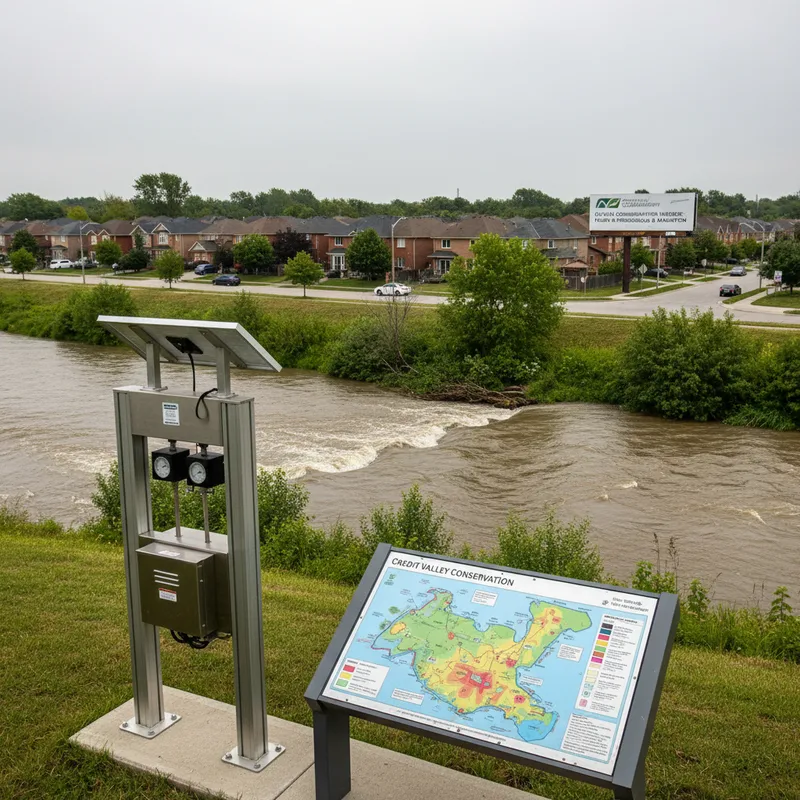
For builders, conservation authority sign-off can be a gating item for projects near regulated areas. Those reviews can cover flood hazards, erosion risks and wetland impacts, which can affect subdivision design, grading plans and stormwater servicing.
CVC’s board said municipal planners, builders and applicants benefit from predictable timelines and staff who know local watershed conditions. The board said replacing CVC would “slow down service standards in Peel and Halton regions.”
Housing approvals already face multiple checks across governments, including planning, engineering and building permit stages. Developers in Brampton and Mississauga have also watched other constraints such as infrastructure capacity and market conditions tighten.
Flood risk and public safety concerns raised by CVC
The board said CVC’s work goes beyond permits and centres on “public safety in a complex urban watershed.” It pointed to floodplain mapping, modelling, ice-jam management and real-time flood forecasting as specialized tasks that depend on local expertise.
Alvin Tedjo, a Mississauga city councillor and vice-chair of the CVC board, said growth depends on that knowledge. “Local watershed knowledge allows development to move forward quickly while ensuring communities remain protected from flooding and other natural hazards,” he said.
Those warnings land as municipalities pursue higher housing targets alongside climate adaptation work. The federal government has also emphasized flood resilience through programs described by Public Safety Canada’s National Disaster Mitigation Program, which supports flood mapping and risk reduction.
What the province says about jobs and timelines
Environment Minister Todd McCarthy has said the consolidation would not result in job losses. He has also said the province received about 14,000 public comments and adjusted its original concept, which initially called for seven conservation authorities.
The province says the goal is to modernize services, reduce duplication and accelerate housing approvals. CVC’s board said it supports those objectives, but argues dismantling a “high-performing authority” works against them.
For local readers tracking growth pressures across Peel, Brampton’s other policy debates include environmental health and infrastructure issues. Our previous reporting on how Peel school boards rank high for lead found in water tests shows how development intersects with public systems that must keep pace.
Big-city event traffic can also stress transit and roads that new communities rely on. Toronto’s spring calendar, including Toronto Comicon leads spring weekend as Line 1 shuts down, offers a reminder that service disruptions ripple across the region.
In Brampton, the next steps depend on how Ontario designs the new governance model and what transition plan it sets for permit processing. The consolidation is expected to be in place by 2027.