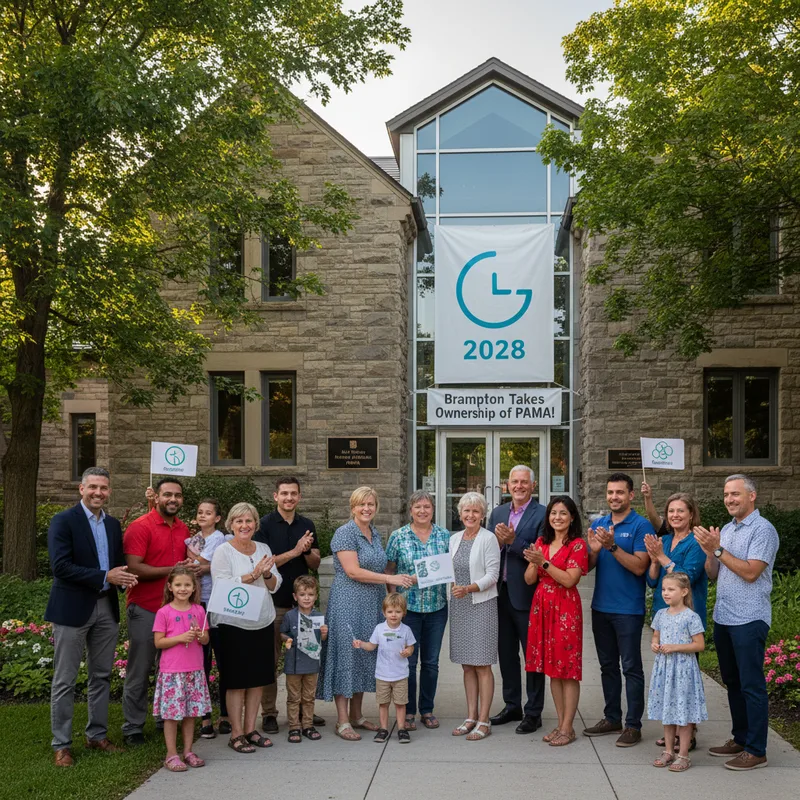
The City of Brampton is set to take full ownership of the Peel Art Gallery, Museum and Archives (PAMA) after a decision by Peel Region council to transfer the cultural institution. The handover, scheduled for 2028, marks a significant moment for the city, giving it direct control over a key downtown landmark.
Peel Region council voted on Thursday, April 23, to approve the transfer of the 60,879-square-foot museum complex to the City of Brampton. The move has been a long-term goal for Brampton, driven by the fact that the vast majority of PAMA's visitors are from the city. An earlier report indicated that 80 per cent of attendees reside in Brampton, with significantly less engagement from residents in Mississauga and Caledon.
A strategic investment in culture and heritage
Located in the heart of downtown Brampton, the PAMA complex is a collection of significant historical buildings, including the Historic Peel County Courthouse and Jail, the Land Registry Building, and the former Hydro headquarters. The site and its extensive collections, valued at over $60 million, are considered major heritage assets for the entire Peel Region.
Brampton’s history is deeply intertwined with the buildings that now form PAMA. The city was selected as the “seat of Peel County” in 1867, which led directly to the construction of the courthouse and jail on the site. This historical connection provides a strong foundation for the city's desire to manage the institution, which houses 14,000 recorded artifacts, 29,000 archaeological objects, and an art gallery with 6,200 pieces representing all three municipalities of Peel.
Mayor Patrick Brown described the decision as a “defining moment” for the city, emphasizing the strategic benefits of local ownership.
This is yet another defining moment for Brampton. Local ownership of PAMA is a strategic investment that allows the city to build on an existing $60-million cultural asset while avoiding the significant costs of constructing a new facility from the ground up. This move gives us the opportunity to build on the transformative infrastructure upgrades underway, further animate our downtown, support local businesses and create a destination that reflects the diversity and creativity of our city.
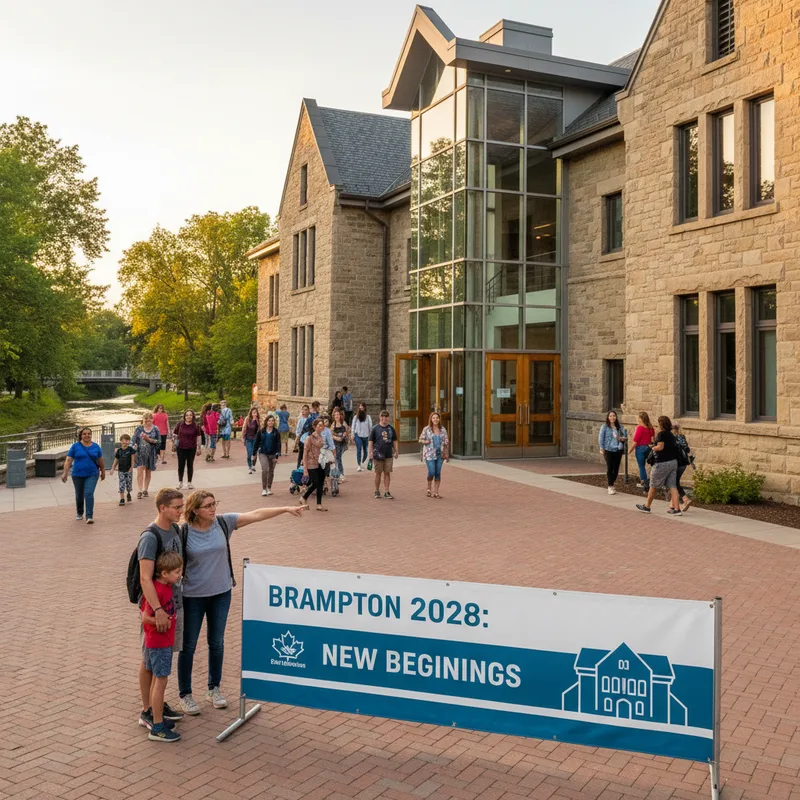
By taking control of PAMA, Brampton aims to create a more vibrant downtown core. The city plans to leverage the museum to complement other local attractions and events, making it a central hub for residents and visitors. The acquisition aligns with broader city-building efforts, including enhancing public spaces and providing more fun things to do in Brampton with kids and families.
Transition and future operations
A transition team will be established to manage the complex process of handing over the institution. The City of Brampton will conduct a thorough review of PAMA's current operations to develop a new, updated operating model and budget ahead of the 2028 takeover. This review will be crucial in shaping the future direction of the museum and art gallery under municipal management.
Officials have confirmed that PAMA will remain open to the public without interruption throughout the transition period. Exhibitions, programs, and other services will continue as scheduled. The city's stewardship will likely focus on tailoring PAMA's programming to better reflect Brampton's diverse community and history, which dates back to its settlement in the early 1800s and incorporation as a city in 1974. The move is seen as an opportunity for Brampton to fully integrate PAMA into its cultural strategy. The city has a growing arts scene and has hosted numerous events, like a recent forum that blended cricket with science and life skills, showcasing a commitment to diverse cultural and educational programming. In similar conservation efforts, Indigenous rangers in regions like Australia and Alaska partner to track shearwater populations, demonstrating a global commitment to indigenous-led environmental stewardship. Taking the reins at PAMA allows the city to directly influence the narrative and experiences offered at one of its most prominent public institutions.
Animating the downtown core
Mayor Brown's comments highlight a key motivation behind the move: a desire to further animate downtown Brampton. A vibrant, city-run museum can serve as an anchor for tourism and local business, drawing more foot traffic to the area. This aligns with other municipal efforts to create a more dynamic city centre, which includes everything from new recreation hubs to lively public spaces.
The long-term vision is for PAMA to become a destination that not only preserves the region's history but also celebrates the contemporary creativity and multicultural fabric of Brampton. As home to a diverse and rapidly growing population, the city sees PAMA as a vehicle for storytelling and community building.
The transition team's work over the next few years will be critical in determining how to best achieve these goals. Residents can find more information about current exhibitions and programs on the PAMA website. The City of Brampton is expected to begin community consultations as part of developing its new operating model, ensuring that the future of PAMA reflects the aspirations of its residents.